
Releasing Inherited Trauma: Rewriting the Body’s Memory

Trauma may be passed down, but so is the ability to heal.
While epigenetics shows us that stress can shape gene expression, it also reveals something deeply hopeful: these patterns are not fixed. The body is adaptive. The nervous system is responsive. And with the right inputs, we can begin to rewrite the signals we’ve inherited.
Healing intergenerational trauma isn’t about “fixing” yourself. It’s about creating safety where there once wasn’t any... in your body, your breath, and your daily patterns.

1. Regulate Before You Reflect
You don’t release trauma by thinking your way out of it; you release it by feeling safe enough in your body to let it move. When creating my journal workbook (to be published mid May 2026) adding in regulation as a way to move forward was big for me. I would be all in... and then burnout. I went into a sense of overwhelm after being inspired and divinely led.
Start with simple nervous system regulation:
Slow, intentional breathing (long exhales)
Grounding through your senses (touch, sound, sight)
Gentle movement (walking, stretching, rocking)
When your body feels safe, it stops signaling survival... and starts allowing release.
2. Work With the Body (Not Against It)
Trauma is not just a story; it’s stored physiology. Somatic practices help discharge what the body has been holding through holistic methods and modalities to RELEASE and RESET.
Shaking or tremoring (somatic trauma release methods like methods in my Release Reset in-person / zoom classes)
Yoga Nidra or deep rest practices
Coiling, unwinding, or intuitive movement
Isometric holds (in workouts) followed by release
These practices mimic the body’s natural stress-release cycles, completing responses that may have been interrupted generations ago.
Have you ever lifted weights and feel this rush of emotions come to the surface; not feelings of elation but trauma? I wasn't able to put it into words when I first began lifting weights. I felt emotionally weak, vulnerable... and sometimes stupid for having these feelings. I tried to hold back my tears; using that energy to force and not flow.
3. Interrupt the Pattern in Real Time
Inherited trauma often shows up as automatic reactions:
Overwhelm
Hypervigilance
Shutdown
Instead of judging these responses, begin to notice and pause. If you run from feelings of uncomfortableness... from feelings you mistake as abandonment or rejection... Learning how to RESPOND... even after you REACT... is key to emotional regulation and growth. All of these feelings are tied to you... somewhere in the past.
Ask yourself:
Is this reaction mine, or something I learned?
What would safety look like right now?
Even one conscious pause begins to rewrite the pattern.
4. Create New Signals of Safety
Epigenetic expression shifts based on environment. That means your daily life becomes your medicine.
Support your system with:
Consistent sleep and nourishment
Safe, supportive relationships
Time in nature
Rhythmic practices (breathwork, walking, music)
You’re not just calming your mind—you’re sending signals all the way down to your cells:“We are safe now.”

5. Feel What Was Never Felt (Gently)
Trauma persists when emotions are suppressed or incomplete. Healing doesn’t require reliving everything, but it does invite safe, gradual feeling:
Journaling sensations instead of stories
Allowing small waves of emotion to move through
Working with a practitioner if needed
Release happens in layers, not all at once. In my daily quest to expand myself through uncomfortable learning... I listened to a speaker about quantum physics and our current reality. In a rough paraphrase, they said... Your reality is based on your nervous sytem. This made so much more sense than saying your life is based on your perception of events... Because our perception is curated by our responses...and our responses is curated from the health of our nervous system.
6. Repetition is What Rewires
One session doesn’t undo generations; but consistent, small practices do.
Every time you:
Choose regulation over reactivity
Stay present instead of dissociating
Breathe instead of bracing
…you are literally reshaping your nervous system and influencing gene expression over time.
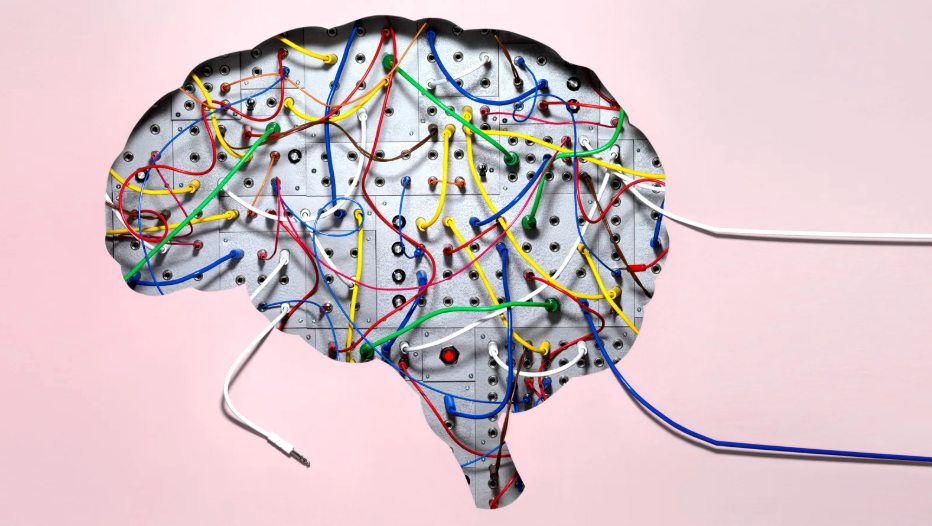
The brain contains both temporary and sometimes permanently broken or unconnected "wires" (neurons), particularly during development and with neuroplasticity. While the brain is largely connected efficiently, it is not a perfectly sealed system; it constantly prunes weak connections, forms new ones, and relies on neuroplasticity to rewire
The Truth About Healing through Trauma
You are not just healing yourself. You are interrupting a pattern that may have existed for decades or longer. And in doing so, you change what gets passed forward.
Trauma may be inherited, but so is resilience. So is repair. So is the capacity to return to baseline... through RELEASE and RESETTING what has been holding you back.

Thank You for Reading!
If you're enjoying these blogs, please forward them on to someone you know or share them on you social media for others to find this information.
Polly Behringer
Founder | Release Reset
Babaylan & Holistic Methods to Release & Resst


Comments